
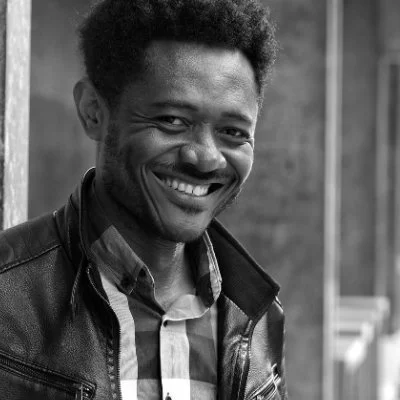
Stephen Garner has worked in the area of digital theology for over twenty years. His research and teaching engage with technology, theology, ethics, and media; religion and popular culture; and public and contextual theology with a particular emphasis on practical wisdom.
Co-presenting: Theology, Imagination, and the Arts in Digital Spaces
As digital technologies and media evolve their use in religious and spiritual practice also continues to develop. Typical engagement with these technologies and media is often focused on their use in worship, discipleship, and education, highlighting both the challenges confronting and opportunities available to faith communities. However, these digital developments also offer contexts for faith communities and their individuals to explore their faith through creative avenues, bringing together theological reflection, faithful practice, imagination, and the creative arts. Using the example of “The Blessing” virtual choir phenomenon as an entry point and paying attention to the characteristics of new media, this chapter explores what faithful creative digital spaces look like, with particular emphasis on how they mediate blessings in both words and images. We argue these spaces and activities resource not just the representation of faith and theology, but also a productive site for theological reflection and faithful practice.
Erin Green is a theologian, an educator, and a communicator. She is the lead editor of the 2022 volume AI Ethics and Higher Education: Good Practices for Educators, Learners, and Institutions, published with Globethics. She is the founder and owner of The Joyful Bot, which helps organizations integrate artificial intelligence (AI) ethically into their work and provides training services on using generative AI in communication.
Presenting: Theologies of Artificial Intelligence
Theology and artificial intelligence (AI) intersect in profound ways, particularly in their exploration of fundamental questions about existence, intelligence, and ethics. This chapter reviews the main threads in the evolving theological engagement with AI: theological anthropology and the overarching themes of creation and human distinctiveness; the futuristic scenario of humanoid robots and the questions related to their presumptive religiosity; the ethical and contextual issues, illustrating the need for inclusivity and interdisciplinary methodologies, as well as the urgency of addressing the socio-political impacts of AI. While some theologians view AI as a continuation of humanity’s creative mandate, others highlight its potential to reflect human flaws. Discussions on AI and the imago Dei probe the implications of machines surpassing human capabilities, and AI’s role in humanity’s self-understanding. Ethical considerations increasingly come to the fore, particularly in the use of AI in caregiving, and its potential to alter human relational dynamics. As we are confronted with nonhuman intelligent agents of unclear ontological status, theological reflection is a necessary part of our toolkit for making sense of the new technological and social reality. The chapter underscores the need for a balanced theological approach to AI, advocating for ethical, inclusive, and hopeful uses of AI that benefit humanity and all of creation.
Jeong Hannah is a doctoral student in systematic theology at the University of Bonn, Germany, and an ordained pastor affiliated with the Presbyterian Church of Korea. She has conducted research on the religious-educational utilization of the Metaverse by South Korean Churches during the COVID-19 pandemic period. Her doctoral research examines the catechism as an ecclesiological act, including in dialogue with the new context of the twenty-first century.
Co-presenting: Christian Faith and Practice in the Metaverse
The movement towards curating church in metaverse spaces or with metaverse technologies is still in the beginning stages. Efforts have so far been quite experimental, and the potential for real, plausible futures of the church in the metaverse is very much an open question. The same can be said, however, of the metaverse concept as a whole. Church in the metaverse might be of particular interest to practical theologians, inasmuch as, of all the theological subdisciplines, Practical Theology often works at the front lines of evolving forms of societal communication and the corresponding forms of communication of the Christian faith that emerge there. This chapter provides an introduction to the idea of the metaverse and to Christian faith and practice in the metaverse from a practical-theological perspective: discussing the concept of the metaverse, describing characteristics of current ecclesial forays into metaverse spaces, and noting aspects requiring careful ethical reflection.
Mary E. Hess is a professor of educational leadership at Luther Seminary, where she has taught since 2000. She has degrees from Yale, Harvard, and Boston College. As an educator straddling the fields of media studies and religious education, she has focused her research on exploring ways in which participatory strategies for knowing and learning are constructed and contested amidst digital cultures.
Presenting: Online Discipleship and Spiritual Formation
The diverse and shifting practices of Christian communities as they seek to nurture and embody practices of faith are described variously as “discipleship” and “spiritual formation.” These practices are understood to be referring to an ecology in which churches are intentionally seeking to make accessible the traditions of a religious community and to make manifest the intrinsic connection between traditions and transformation. These practices assume relationship with a Divine, and belonging in a specific community. They cannot be understood only in individual or personal terms. Further, they carry a sense of process, of dynamic ongoing-ness. The notion of a religious identity that is “bounded” is contrasted with a “centred” set identity and then used to illuminate divergent practices found in churches engaging—or resisting—digitality.
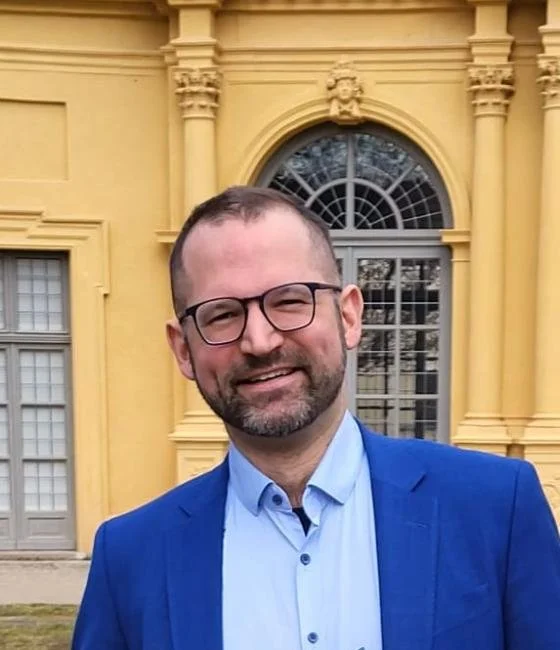
Florian Höhne, PhD, is a professor for media communication, media ethics, and digital theology at the Friedrich-Alexander-University Erlangen-Nürnberg. His research focuses on digital theology, media ethics, responsibility, and public theology.
Co-presenting: Public Theology and Digitality
The chapter explores the intersections between public theology and digital theology. It explains that both disciplines are concerned with the public dimension of religion and the impact of digital transformations on society, the church, and academic theology. Public Theology, on the one hand, has formed a broad and diverse field of discourse since the 1980s that deals with the political and social dimension of religion. Digital theology, on the other hand, examines the role of religion in digital public spheres and the impact of digital technologies on religious practices and theology, encompassing instrumental, hermeneutic, and social understandings of media. Based on this understanding, the chapter develops a matrix of digital theology that combines different understandings of media (instrumental, hermeneutic, societal) and the tasks of theology (society, church, academic discipline). The chapter suggests an understanding of critical public digital theology to enable critical reflection on digital transformations and their impact on participation and power structures. It sketches out practical applications focusing on the digital transformation of the public sphere, the role of the church in digital spaces, and changes in academic theology through digital technologies. It concludes by emphasizing that a public digital theology should combine both analytical and practical reflections in order to promote a participatory, contextual, and discursive theology.
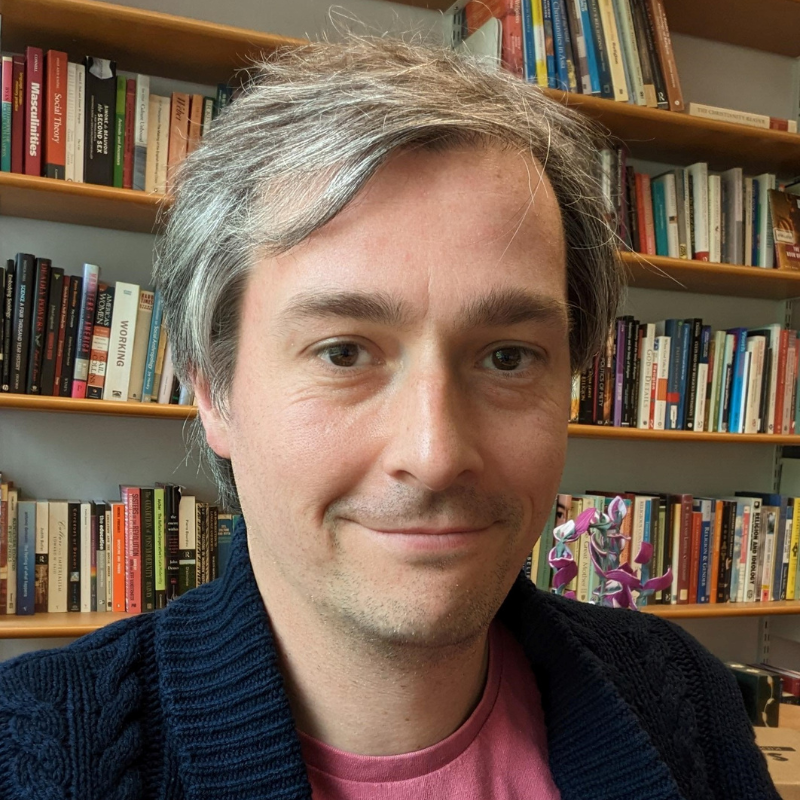

Tim Hutchings is an associate professor in religious ethics at the University of Nottingham, where he works in the Department of Philosophy. He holds a PhD in theology from the University of Durham. He is the author of Creating Church Online (Routledge, 2017) and founding editor of the Journal of Religion, Media and Digital Culture. His research interests include digital religion, death online, and religious education.
Presenting: Online Christian Communities
The possibility and potential of online community have been a topic of heated debate in digital theology since the origins of the discipline. Digital theologians have asked how online community might reshape Christian ecclesial life and have questioned the adequacy and sufficiency of online connections. This chapter introduces some of the key themes of that debate. We begin by proposing a typology of theological images of online community—Epistle, Trinity, Incarnation, and Body—establishing online and offline not as separate realms but as interconnected, hybrid realities. We then explore this hybrid reality further by introducing the classic distinction in internet studies between communities and networks. In the second part of this chapter, we map three major themes of theological discussion of online community: connection and communion; embodiment, presence, and participation; and authority and autonomy. In the third part of the chapter, we evaluate a specific example of digital ecclesiology, the Catholic report Towards Full Presence (published 2023). We argue that this report references and reinforces earlier Catholic teaching but also reflects a gradual shift in Catholic understanding—the beginnings, perhaps, of a digital ecclesiogenesis. Finally, our chapter ends by reflecting on the relationship between digital theology and digital religion, identifying three models of the theological process that support different opportunities for digital creativity.
Jeremy Kidwell is an associate professor in theological ethics at the University of Birmingham. His research is concerned with the ethics of everyday life and particularly how we use theology in our everyday encounters with the diversity of creaturely life, including human embodied plurality, and in the context of technology, nature, money, and political identity. He is the author of The Theology of Craft and the Craft of Work (Routledge, 2014) and co-editor of Religion and Extinction (with Stefan Skrimshire, Indiana University Press, 2024).
Presenting: Ecology and the Digital
In theological practice we rarely think explicitly about the conceptual or ethical relationships between digital and ecological fields. In this chapter I probe these two categories in light of their metaphorical complexity and argue that they are not just intertwined but that this kind of scholarly scrutiny also raises similar fundamental questions under each heading about how we characterize the task of theological and ethical reflection. I argue that this intersection is best illuminated if we take a postsecular approach, taking account of the meaning and significance of spiritual forces for everyday life, and by extension a porous theological anthropology that recognizes a wider range of creaturely agencies, including nonhuman and digital entities, challenging human exceptionalism and instrumental views of technology. I argue for theological ethics which can take account of our world as enchanted—a reawakening to the spiritual vitality of the world, including a respiritualization of the digital. Along with other authors in this volume, I propose that digital theology should move accounts of quantification and control to embrace practices of mediation, care, and spiritual discernment. We can best achieve this through a constructive theological engagement with the digital-ecological nexus that is attentive to enchantment, ethical ambiguity, and the potential for digital technologies to serve as sites of spiritual practice and transformation—both positive and negative.
Aline Knapp, Mag. Theol. conducts research as a scientific assistant and doctoral student at the URPP at the University of Zurich, focusing on various aspects of digital church.
Co-presenting: Practical Theology and Digitality
This chapter provides a literature review of the current relationship between practical theology and digitality. Seven journals relevant to practical theology were analysed based on their publications from 2016 to 2022. The focus is on three questions: How is digitality understood within practical theology? How does the subject change in a culture of digitality? Which methodology is used for analysing digital phenomena? The current relationship between practical theology and digitality can best be described as a convergence phase. At the moment, the primary goal is to perceive and empirically record the changing ecclesiastical and religious practice before it can become clear what changes are taking place for the subject of practical theology itself. The chapter ends with some pointers towards what can be expected for the relationship between practical theology and digitality in the next years.
Agana-Nsiire Agana is interested in the intersection of science and technology with theology and philosophy. He obtained his doctorate from the University of Edinburgh (2024), where he explored a philosophical theology of personhood in the digital. Agana has previously worked as a software developer and digital entrepreneur and currently serves on the board of the Global Network for Digital Theology.
Presenting: Anthropology
Within digital theology, theological anthropology has a rather wide-ranging role. As a topic, it draws traditional themes in theological anthropology into conversation with the digital. But it has always been a rather adventitious field, touching almost every branch of theology, and this continues within digital theology. The result is that theological anthropology provides a stage on which scholars attempt to account for the effect of digitality on a broad range of questions concerned with what it means to be human, and what it means for humanity to be in relationship with the divine. This chapter traces some of the ways in which this question has been posed and some of the themes through which it is most frequently explored. It provides a broad overview while giving more attention to questions of subjectivity and selfhood. It concludes with some suggestions on where these questions might take the field in the future.
J. Kwabena Asamoah-Gyadu is a professor of contemporary African Christianity and Pentecostal/Charismatic theology at the Trinity Theological Seminary, Legon, Ghana. He is the current Presiding Bishop of the Methodist Church Ghana. His publications have appeared in several international journals on his areas of academic interest: Pentecostalism, World Christianity, and Religion and Media in Africa.
Presenting: Pneumatology
The intersection between digital space and religious activity has developed as an important field of theology study and investigation. Digital pneumatology falls within this developing field of theological study, which is made even more important by the fact that many churches, in particular the Pentecostal/charismatic communities, have embraced the uses of digital resources in the media of religious material, discourses, and experiences. In digital pneumatology we see how churches articulate both theology and experience through media technology as pointers to how the world has opened to religion in ways that were not possible prior to the age of the internet.
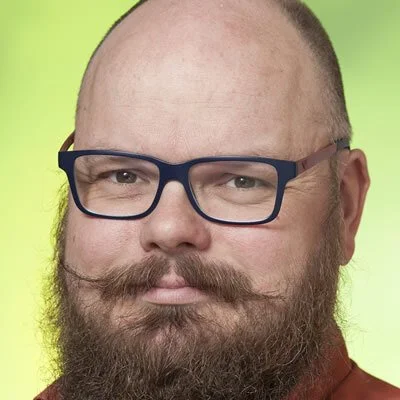
Alexander Chow is a senior lecturer in theology and world Christianity and the co-director of the Centre for the Study of World Christianity in the School of Divinity, University of Edinburgh. He is the author or editor of seven books, including Chinese Public Theology (Oxford University Press, 2018) and Ecumenism and Independency in World Christianity (with Emma Wild-Wood; Brill, 2020).
Presenting: Creation
This chapter explores the ways Christian theological reflections on creation and creativity are connected to the field of digital theology. It begins by offering a brief overview of the digital theological discourse, focusing (1) on the ways human creativity is rooted in being made as co-creators in the image of a Creator God and (2) on the ways digital technologies facilitate collaborative creativity. The chapter offers two interventions to this discourse. First, drawing on Eastern Orthodox and Chinese theologies, it highlights the limits of co-creator language, which tends to be anthropocentric and overlooks the value of both the Creator and nonhuman creation. Second, it advocates for a deeper recognition of human relationships with and dependencies on a community of creation—biological, geological, and technological. Ultimately, the chapter argues that digital theology can gain from a wider understanding of the doctrine of creation, which both recognizes the Creator God’s initiation and the ways human and nonhuman creation are part of a holy priesthood of all creation.

Frank G. Bosman is an assisting professor of cultural theology at the Tilburg School of Catholic Theology, the Netherlands. He is specialized in theology, religion, and digital gaming. His recent publications include Gaming and the Divine: A New Systematic Theology of Video Games (Routledge 2019); (together with Archibald van Wieringen) Video Games as Art: A Communication-Oriented Perspective on the Relationship between Gaming and Art (De Gruyter 2022); and Nazi Occultism, Jewish Mysticism, and Christian Theology in the Video Game Series Wolfenstein (Fortress 2024).
Presenting: Games, Gamification, and Christian Ministry
This chapter focuses on the status of games and gamification in Christian ministry as of today. The first section provides a broad introduction and overview of the concept of video games, their significant cultural impact, and related concepts like gamification and serious gaming. Additionally, there is a concise discussion of the existing scholarly and theological literature concerning video games. The second section presents and discusses three possible reactions from Christian communities towards the rise and popularity of video games: (1) a negative reaction (i.e. reproaching them for being blasphemous), (2) the appropriation of games in the form of “Christian games,” and (3) an affirmative view, considering games as genuine loci theologici. Finally, the chapter speculates on the possibilities of gamifying Christian ministry, providing some (rare) recent examples.
Calida Chu is a teaching associate in sociology of religion at the Department of Theology and Religious Studies, University of Nottingham, where she is the course manager of “Religion, Media, and Ethics.” She received her PhD in world Christianity at the School of Divinity, University of Edinburgh. She is an associate editor of Practical Theology.
Presenting: Decoloniality and Digitality
This methodological chapter reflects on the good practice of decoloniality and digitality as Christian theology, and proposes a decolonial reflexibility for digital theologians. The internet is often seen to be a democratic space that allows diverse opinions, whether they are theological, political, or cultural; however, this chapter illustrates that the internet is not a neutral space to facilitate conversations, in light of the monopoly of transnational technological companies, censorship online, and gerrymandering on social media. This research is among the first of its kind to investigate the intersection between decoloniality and digital theology. Drawing on resources from Latin American scholars and decolonial theorists, this chapter argues that the digital world has become the major platform for colonizers to maintain their status quo and construct a new digital hierarchy. As such, this chapter provides a critical reflection on the phenomenon of data colonialism, and argues for a decolonial digital theology that gives agency to the marginalized ones. A decolonial reflexibility for digital theologians requires continuous self-reflection on our epistemology and our action upon it, so that we can break the assumed colonial patterns, practically evaluate one’s (re)action, take alternative actions, and imagine a decolonial digital world according to what God calls us to be and do.
Anthony-Paul Cooper is the co-director of the Centre for the Study of Modern Christianity at Cranmer Hall, Durham University, and a visiting researcher at the Department of Computing at the University of Turku. He has a background in computer science and social research, and has published a number of studies within the field of digital theology, including research on innovative methods to analyse and better understand church attendance and church growth.
Co-presenting: Theology and Computer Science
As research and study within the field of digital theology continues to gain momentum, much has been written and published on the definition and nature of the field and on how emerging research might progress the study and practice of religion in technology-empowered and innovative new ways. Much of that extant research has been published from a theology perspective. This chapter contributes to that ongoing discourse by considering digital theology from a computer science perspective. It discusses key research at the intersection of the fields of computer science and theology, while paying particular attention to the possibilities created by computer science approaches to software design, with a focus on co-design approaches to software development.




John Dyer, PhD (Durham University) is an assistant professor of theological studies and vice president for enrolment services and educational technology at Dallas Theological Seminary.
Presenting: Biblical Hermeneutics
This chapter uses the concept of the Bible as an “interface” to argue that biblical hermeneutics should not merely be understood as a person encountering and interpreting text, but as a complex and dynamic event between text, interface, and user or reader. Drawing on the work of Johanna Drucker, Michael Hemenway, and Frederike van Oorschot, this chapter explores three dimensions in which the Bible can function as an interface which affects hermeneutics especially within digitality. In the technological dimension, the encounter with the Bible is intertwined with its medium, and the shifts from scroll to codex to print to digital each brought with them a new relational space, unit of meaning, and patterns of behaviour. In the sociological dimension, the Bible functions as a space for understanding religious cultures seen through the lens of debates about canonicity, translation, and augmentation of the text. Finally, in theological, the text plays a role in serving as a revelatory interface of divine encounter between God and God’s people through his Spirit and his word.
Miriam Jessie Fisher is a lecturer in education at Laidlaw College. Her Masters in theology focused on recovering the voices of women in the Bible through poetry, textiles, and whakapapa (genealogy). Based in Ōtautahi/Christchurch, her teaching and research explores creativity and the arts in education and engagement between theology, the arts, and the imagination.
Co-presenting: Theology, Imagination, and the Arts in Digital Spaces
As digital technologies and media evolve their use in religious and spiritual practice also continues to develop. Typical engagement with these technologies and media is often focused on their use in worship, discipleship, and education, highlighting both the challenges confronting and opportunities available to faith communities. However, these digital developments also offer contexts for faith communities and their individuals to explore their faith through creative avenues, bringing together theological reflection, faithful practice, imagination, and the creative arts. Using the example of “The Blessing” virtual choir phenomenon as an entry point and paying attention to the characteristics of new media, this chapter explores what faithful creative digital spaces look like, with particular emphasis on how they mediate blessings in both words and images. We argue these spaces and activities resource not just the representation of faith and theology, but also a productive site for theological reflection and faithful practice.
Jonas Kurlberg is a theologian and researcher specializing in digital theology and the interface between Christian faith and digital culture. He serves as Chair of the Global Network for Digital Theology and is an Honorary Fellow in the Department of Theology and Religion at Durham University. He is the co-editor of the T&T Clark Studies in Digital Theologies book series and is the author of Christian Modernism in an Age of Totalitarianism (Bloomsbury, 2019).
Co-presenting: Disability, Theology, and Digitality
In this chapter, we suggest that discourses within disability theology can be brought into fruitful dialogue with ethical and theological reflections on human interconnectedness with technology in digital societies. We do so by bringing ideas related to Deborah Creamer’s limits model of disability to bear on such discourses. Creamer’s model challenges essentialist views of limits and enables both examination of the values behind our postures towards limits and judicious theological conversations about what it means to live with them. However, Creamer does not address how specific human limits might be lived with and negotiated. Thus, we also turn to Elaine Graham’s practical theology based on Martin Heidegger’s idea of “dwelling” as “finding one’s place,” which allows us to consider more broadly what it means to live with our technologies. We bring these perspectives to bear on a few select discourses and debates prevalent in digital culture, drawing attention to discussions within disability theology that intersect with wider narratives and trends in societies shaped by digital technology. We explore possible correlations, and the implications and insights that emerge. It is an invitation to imagine the kinds of conversations to which the convergence of these topics can lead.
Nina Kurlberg holds a PhD in practical theology from the University of Edinburgh and is a postdoctoral research associate in theological education at the Department of Theology and Religion, Durham University. She is the author of Institutional Logics within Faith-Based Aid (Routledge, 2024) and co-editor of Theologies and Practices of Inclusion (SCM Press, 2021) and Disability Inclusion in Africa (Langham Publishing, 2024).
Co-presenting: Disability, Theology, and Digitality
In this chapter, we suggest that discourses within disability theology can be brought into fruitful dialogue with ethical and theological reflections on human interconnectedness with technology in digital societies. We do so by bringing ideas related to Deborah Creamer’s limits model of disability to bear on such discourses. Creamer’s model challenges essentialist views of limits and enables both examination of the values behind our postures towards limits and judicious theological conversations about what it means to live with them. However, Creamer does not address how specific human limits might be lived with and negotiated. Thus, we also turn to Elaine Graham’s practical theology based on Martin Heidegger’s idea of “dwelling” as “finding one’s place,” which allows us to consider more broadly what it means to live with our technologies. We bring these perspectives to bear on a few select discourses and debates prevalent in digital culture, drawing attention to discussions within disability theology that intersect with wider narratives and trends in societies shaped by digital technology. We explore possible correlations, and the implications and insights that emerge. It is an invitation to imagine the kinds of conversations to which the convergence of these topics can lead.


Anna Frida Mannerfelt is an associate professor in practical theology at Lund University.
Presenting: Online Preaching
This chapter gives an overview of the discussions on online preaching. It identifies and provides examples of three common approaches—message-oriented, media-oriented, and ontology-oriented. In addition, it points to a fourth approach that might be fruitful: the practice-oriented. The chapter also suggests four critical areas in which digital homiletics could benefit from being further developed: authority and, in conjunction with that, the question of who can be a preacher in digital culture; typologies and definitions that distinguish between different kinds of online preaching; studies of the listeners’ perspectives; and theologies of preaching in a digital culture.
Sabrina Müller is the Chair of Practical Theology, University of Bonn. She also serves as a project leader for the URPP "Digital Religion(s)" at the University of Zurich and is a Research Fellow in the Discipline Group Practical Theology and Missiology at the Faculty of Theology, Stellenbosch University. She co-chaired the Practical Theology Unit of the AAR from 2020-2025 and serves on the boards of IAPT and ISERT.
Co-presenting: Practical Theology and Digitality
This chapter provides a literature review of the current relationship between practical theology and digitality. Seven journals relevant to practical theology were analysed based on their publications from 2016 to 2022. The focus is on three questions: How is digitality understood within practical theology? How does the subject change in a culture of digitality? Which methodology is used for analysing digital phenomena? The current relationship between practical theology and digitality can best be described as a convergence phase. At the moment, the primary goal is to perceive and empirically record the changing ecclesiastical and religious practice before it can become clear what changes are taking place for the subject of practical theology itself. The chapter ends with some pointers towards what can be expected for the relationship between practical theology and digitality in the next years.
Ilona Nord, PhD, is a professor of religious education at the Institute of Protestant Theology at the University of Wuerzburg. Her research focuses on religion and digital media in practical theology and religious education. She is also the director of the Center for Critical Education of Anti-Semitism at the Faculty of Human Sciences, Wuerzburg University.
Co-presenting: Robots in Christian Ministry
This chapter examines the potential and challenges of integrating robots and artificial intelligence (AI) into religious practices, with a focus on Western European and German practical-theological perspectives. In the first section the authors explain the history and development of robots, highlighting their use in church contexts like the “BlessU-2” robot, and discuss concerns about robots replacing humans in ministry roles. They explore various types of robots and emphasize a constructive approach to human-robot interaction. In the second section the authors review (practical-)theological debates on embodied and unembodied robots, emphasizing concerns over losing the “carbon world” and bodily presence in religious practice. Here, robot-assisted ministry is discussed, such as their use in worship services and administrative tasks, and robot-supported communication in church settings. Robots are further considered in pastoral care and religious education, also related to diversity-sensitive contextual challenges. In the third section the article delves deeper into robot-assisted worship, pastoral care, and education, outlining specific examples such as AI-generated sermons, telechaplaincy, and educational chatbots. The authors stress the need for ethical guidelines to balance technological innovation with spiritual growth. The conclusion encourages seeing robots as tools to enrich religious experiences while safeguarding human authenticity, emphasizing robots’ role in expanding religious communication without replacing human presence.
Christopher A. Nunn is a church historian at the University of Heidelberg. He is trained in theology and Latin philology and is particularly interested in patristics and digital humanities. He is the co-director of the TheoLab, a research network for computational theology.
Co-presenting: Theology and Computer Science
As research and study within the field of digital theology continues to gain momentum, much has been written and published on the definition and nature of the field and on how emerging research might progress the study and practice of religion in technology-empowered and innovative new ways. Much of that extant research has been published from a theology perspective. This chapter contributes to that ongoing discourse by considering digital theology from a computer science perspective. It discusses key research at the intersection of the fields of computer science and theology, while paying particular attention to the possibilities created by computer science approaches to software design, with a focus on co-design approaches to software development.
Pak-Wah Lai, PhD, is the principal and lecturer, church history and marketplace theology, at the Biblical Graduate School of Theology. He has published extensively on the preaching, hermeneutics, spirituality, and Trinitarian theology of John Chrysostom, and is the author of The Dao of Healing: Christian Perspectives on Chinese Medicine.
Presenting: Digital Pedagogics in Theological Education
While classical seminary education is centred primarily in the classroom, and emphasizes a cognitive teacher-oriented pedagogy, the advent of Web 2.0 is transforming theological education rapidly. Social media and diverse theological platforms are introducing new diverse voices that not only augment classroom teaching but also demand educators to facilitate their students’ navigation of these new resources. The proliferation of new digital resources and technologies, the increase in disinformation on social media, the opportunities afforded by artificial intelligence tools, and the increasing use of digital social learning also call for a broadening of analytical and social skills training in seminary curricula. To flourish, educators must learn how to partner with these new technologies by focusing on what they can do better as human teachers.
Kate Ott, PhD, is a feminist, Christian social ethicist with specializations in technology, sexuality, youth and young adults, pedagogy, and professional ethics. She is the Jerre L. and Mary Joy Stead Professor of Christian Social Ethics at Garrett-Evangelical Theological Seminary in Evanston, Il, where she serves as the director of the Stead Center on Ethics and Values. She is author of Sex, Tech, and Faith: Christian Ethics in a Digital Age and Christian Ethics for a Digital Society. Learn more about her work at www.kateott.org.
Presenting: Gender
Gender and digitality share characteristics of hybridity and fluidity, are formed as relational or networked, and have frustratingly promiscuous boundaries related to nature, technology, humanity, and most especially theology. A methodology thoroughly influenced by gender and digitality requires theology to be done differently. This chapter develops a shared, working concept of gender and a historical picture of how gender studies unfold at the intersections of media studies and religious studies. It then focuses on how gender has been used as an intersectional lens to do the work of digital theology across all four of its approaches. The final section advocates for the growth of digital theology to be intentionally “sideways” in order to subvert maturing into the same gendered, racialized, and colonial hierarchies that characterize dominant work in traditional theological studies.
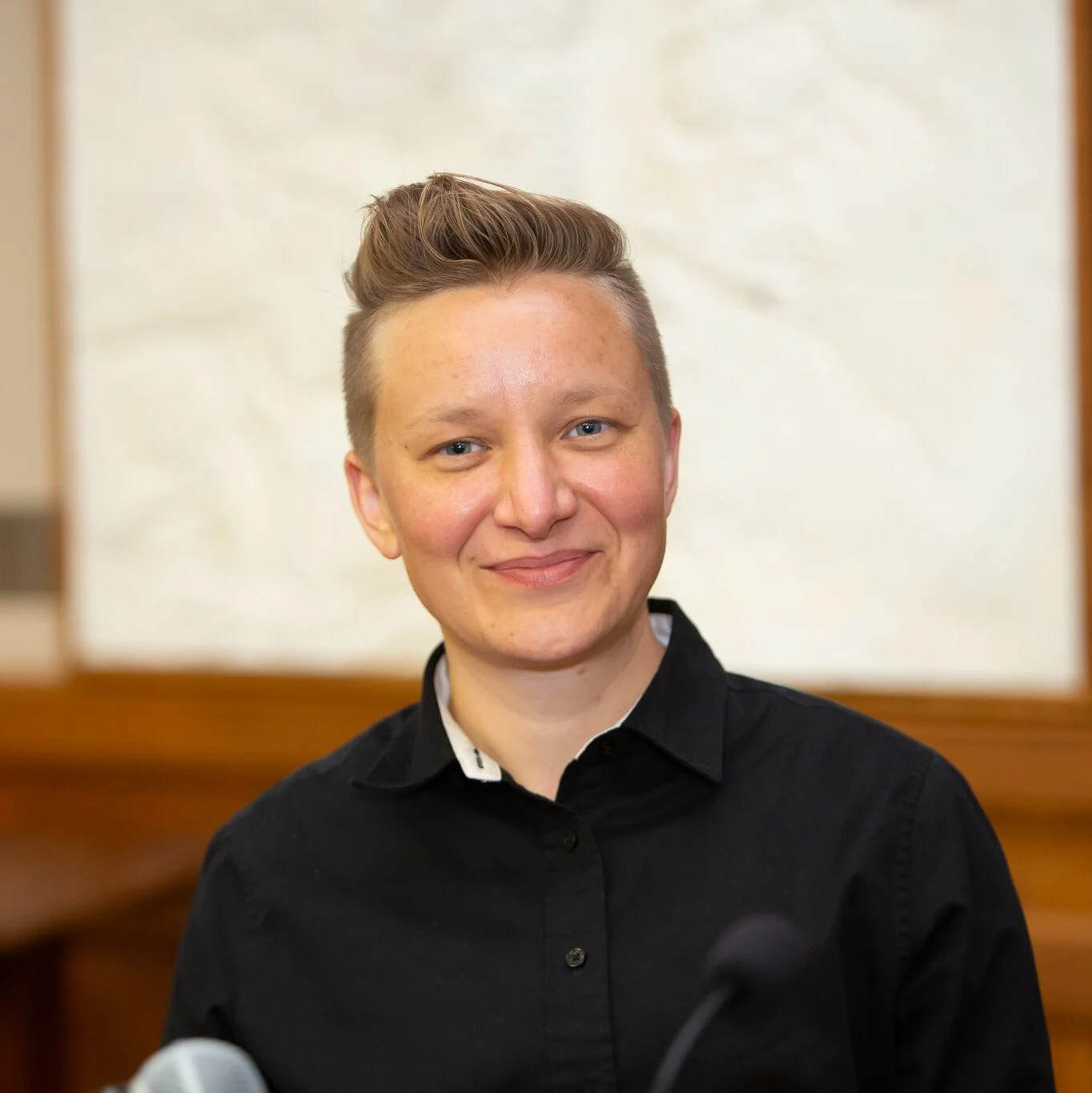
Hanna Reichel’s research areas range from Christian doctrine (particularly doctrine of God, Christology, theological hermeneutics, and the theology of Karl Barth) to digital theology, queer theology, and political theology. Her main publications include Theologie als Bekenntnis: Karl Barths kontextuelle Lektuere des Heidelberger Katechismus (V&R, 2015) and After Method: Queer Grace, Conceptual Design, and the Possibility of Theology (WJK, 2023).
Presenting: Doctrine of God
In our digital age, the doctrine of God gains relevance in at least three different modes. First, “God” functions as a symbol for superhuman power in public discourses around tech, as enchantment of human achievement, as warning of idolatry and loss of control, and in evoking the peculiar mix of awe and fear that traditionally is ascribed to the Holy. Second, Christian God-talk is being rearticulated with images and metaphors taken from digital contexts, particularly around creatorship and the relationship between creator and creature. And third, digital technology provides new areas of application and insight for questions of epistemology and ontology that classically arise in the doctrine of God. In these three regards, the doctrine of God can provide helpful theorization for emergent phenomena, track and assess how they shift the meaning of “God” compared to traditional Christian commitments, and might, inspired by tech, even revise its own insights about what God is like. The doctrine of God can thus help us better understand tech, and tech can help us gain a better understanding of who God is. The conclusion is clear: As we become better creators, we must become better theologians!
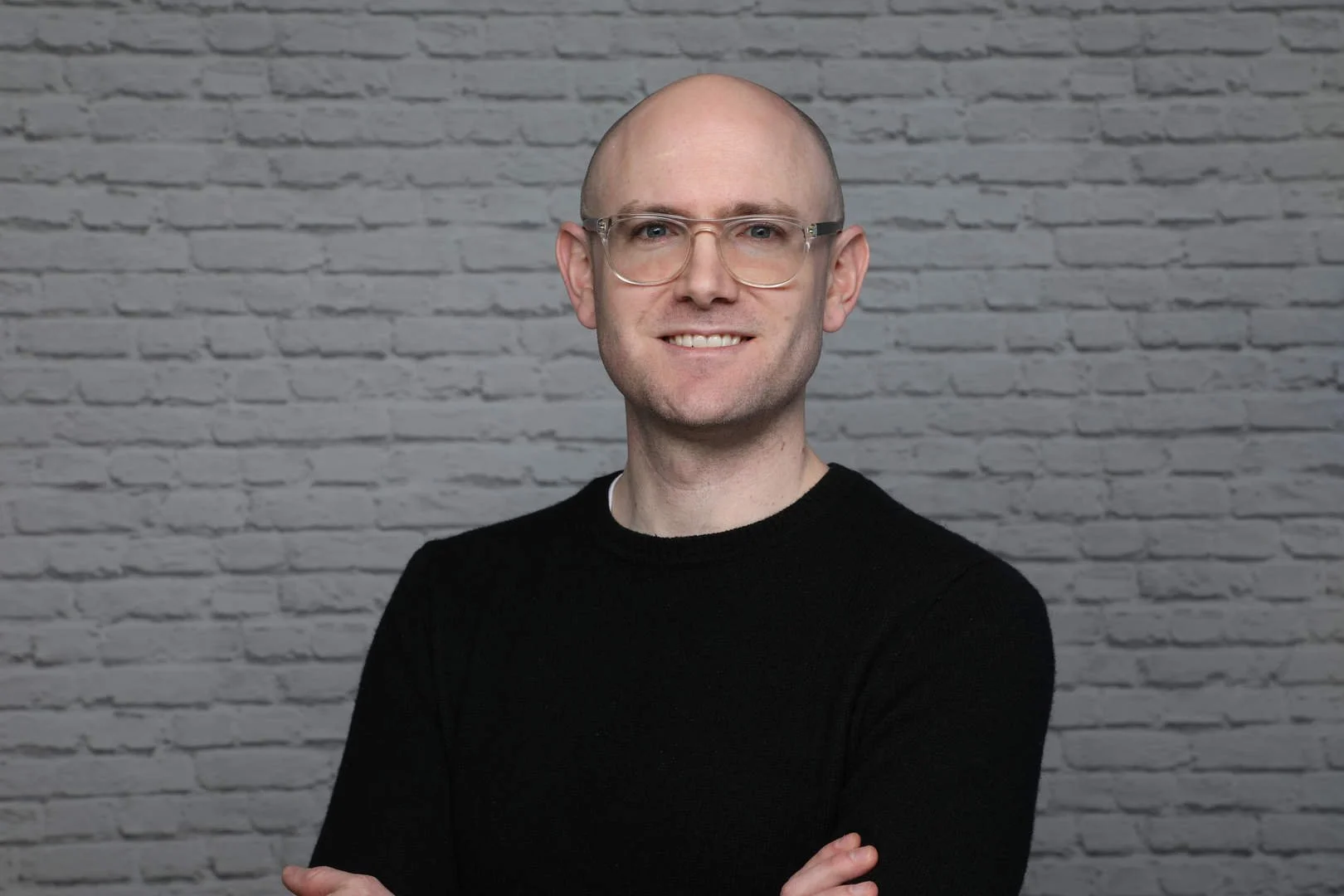
Matthew Ryan Robinson is Privatdozent in systematic theology at the University of Bonn, Germany, with a focus on theology and Christian expressions in relation to living in a “global society.” Since 2019 he has led the What Does Theology Do, Actually? project, a series of conferences and volumes (EVA Verlag 2022–) that curates intercultural comparisons of the ways theological disciplines are understood and practiced in different cultural and confessional settings. He is the author of Redeeming Relationship, Relationships That Redeem (Mohr Siebeck 2018) and Theology Compromised (Fortress Academic/Lexington Books 2019) and most recently, the editor of Sacred Protest: Religion, Power, and Resistance in an Era of Upheaval (Brill 2026).
Co-presenting: Christian Faith and Practice in the Metaverse
The movement towards curating church in metaverse spaces or with metaverse technologies is still in the beginning stages. Efforts have so far been quite experimental, and the potential for real, plausible futures of the church in the metaverse is very much an open question. The same can be said, however, of the metaverse concept as a whole. Church in the metaverse might be of particular interest to practical theologians, inasmuch as, of all the theological subdisciplines, Practical Theology often works at the front lines of evolving forms of societal communication and the corresponding forms of communication of the Christian faith that emerge there. This chapter provides an introduction to the idea of the metaverse and to Christian faith and practice in the metaverse from a practical-theological perspective: discussing the concept of the metaverse, describing characteristics of current ecclesial forays into metaverse spaces, and noting aspects requiring careful ethical reflection.
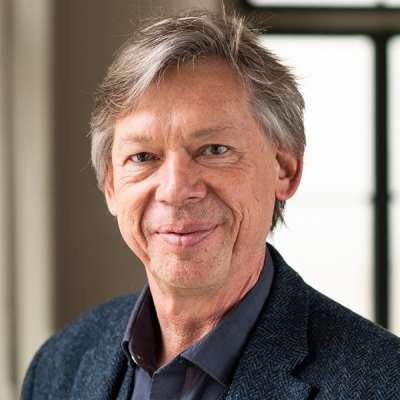

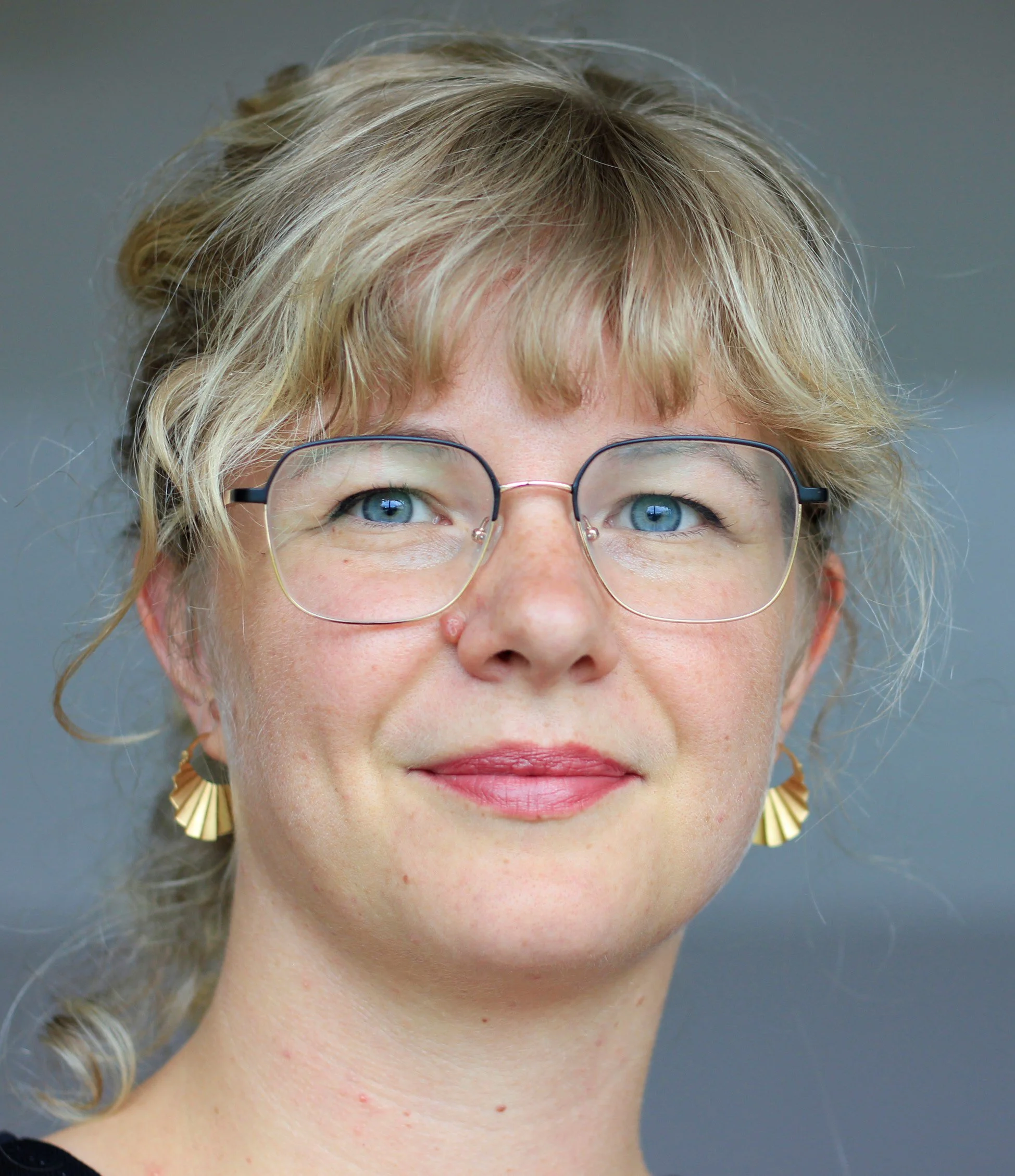
Moisés Sbardelotto is a professor at the Pontifical Catholic University of Minas Gerais, Brazil, where he works in both the graduate programme in religious studies and the professional graduate programme in practical theology. He holds a PhD in communication sciences from the University of Vale do Rio dos Sinos, Brazil, with a doctoral internship at the Università di Roma “La Sapienza” in Italy. He coordinates the Reflection Group on Communication of the Brazil’s Conference of Catholic Bishops and is a member of the Working Group on the Digital Frontier of the Latin American and Caribbean Episcopal Council.
Presenting: Online Christian Communities
The possibility and potential of online community have been a topic of heated debate in digital theology since the origins of the discipline. Digital theologians have asked how online community might reshape Christian ecclesial life and have questioned the adequacy and sufficiency of online connections. This chapter introduces some of the key themes of that debate. We begin by proposing a typology of theological images of online community—Epistle, Trinity, Incarnation, and Body—establishing online and offline not as separate realms but as interconnected, hybrid realities. We then explore this hybrid reality further by introducing the classic distinction in internet studies between communities and networks. In the second part of this chapter, we map three major themes of theological discussion of online community: connection and communion; embodiment, presence, and participation; and authority and autonomy. In the third part of the chapter, we evaluate a specific example of digital ecclesiology, the Catholic report Towards Full Presence (published 2023). We argue that this report references and reinforces earlier Catholic teaching but also reflects a gradual shift in Catholic understanding—the beginnings, perhaps, of a digital ecclesiogenesis. Finally, our chapter ends by reflecting on the relationship between digital theology and digital religion, identifying three models of the theological process that support different opportunities for digital creativity.
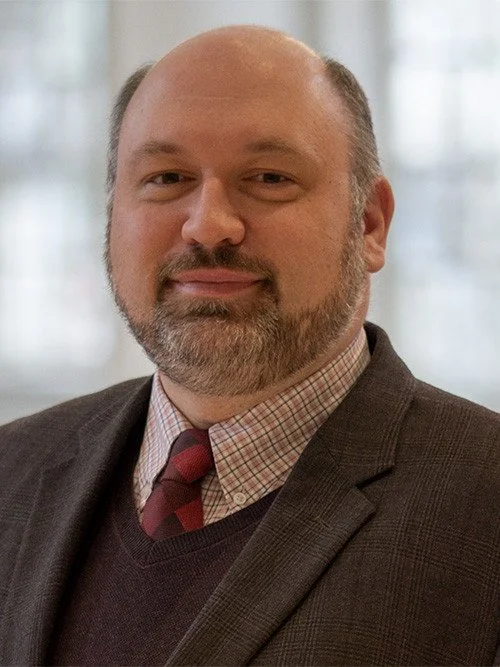
Kyle Schiefelbein-Guerrero, (Rev., PhD), is the Grace Professor of Leadership at Lutheran Theological Seminary Saskatoon, Saskatchewan, Canada. Previously, he served as an assistant professor of worship and liturgy at United Lutheran Seminary in Pennsylvania, USA. He is a founding member of the Global Network for Digital Theology, and a member of the North American Academy of Liturgy and Societas Liturgica. He is the editor of Church After Corona Pandemic: Consequences for Worship and Theology (Springer, 2023).
Presenting: Online Liturgies
This essay explores the theological and practical issues of online liturgies or digital worship in the early twenty-first century. Liturgy is understood holistically as encompassing both text and ritual, through which God and worshipers relate to one another and the world. “Online” is the digital environment and culture that requires adaptations of worship practices just as in any different context. After tracing the early history of online liturgical practices, this essay identifies central theological issues, including embodiment, presence, participation, community, authenticity, and spontaneity. Polymodal worship, which brings together multiple modalities of practice, is introduced, and the chapter concludes by arguing that online liturgies will continue to exist in the future.
Thomas Schlag, PhD is a professor of practical theology at the Theological Seminary of the Faculty of Theology and Religious Studies at the University of Zurich, the director of the University Research Priority Program “Digital Religion(s). Communication, Interaction and Transformation in the Digital Society,” and the director of the Zurich Center for Church Development.
Co-presenting: Robots in Christian Ministry
This chapter examines the potential and challenges of integrating robots and artificial intelligence (AI) into religious practices, with a focus on Western European and German practical-theological perspectives. In the first section the authors explain the history and development of robots, highlighting their use in church contexts like the “BlessU-2” robot, and discuss concerns about robots replacing humans in ministry roles. They explore various types of robots and emphasize a constructive approach to human-robot interaction. In the second section the authors review (practical-)theological debates on embodied and unembodied robots, emphasizing concerns over losing the “carbon world” and bodily presence in religious practice. Here, robot-assisted ministry is discussed, such as their use in worship services and administrative tasks, and robot-supported communication in church settings. Robots are further considered in pastoral care and religious education, also related to diversity-sensitive contextual challenges. In the third section the article delves deeper into robot-assisted worship, pastoral care, and education, outlining specific examples such as AI-generated sermons, telechaplaincy, and educational chatbots. The authors stress the need for ethical guidelines to balance technological innovation with spiritual growth. The conclusion encourages seeing robots as tools to enrich religious experiences while safeguarding human authenticity, emphasizing robots’ role in expanding religious communication without replacing human presence.
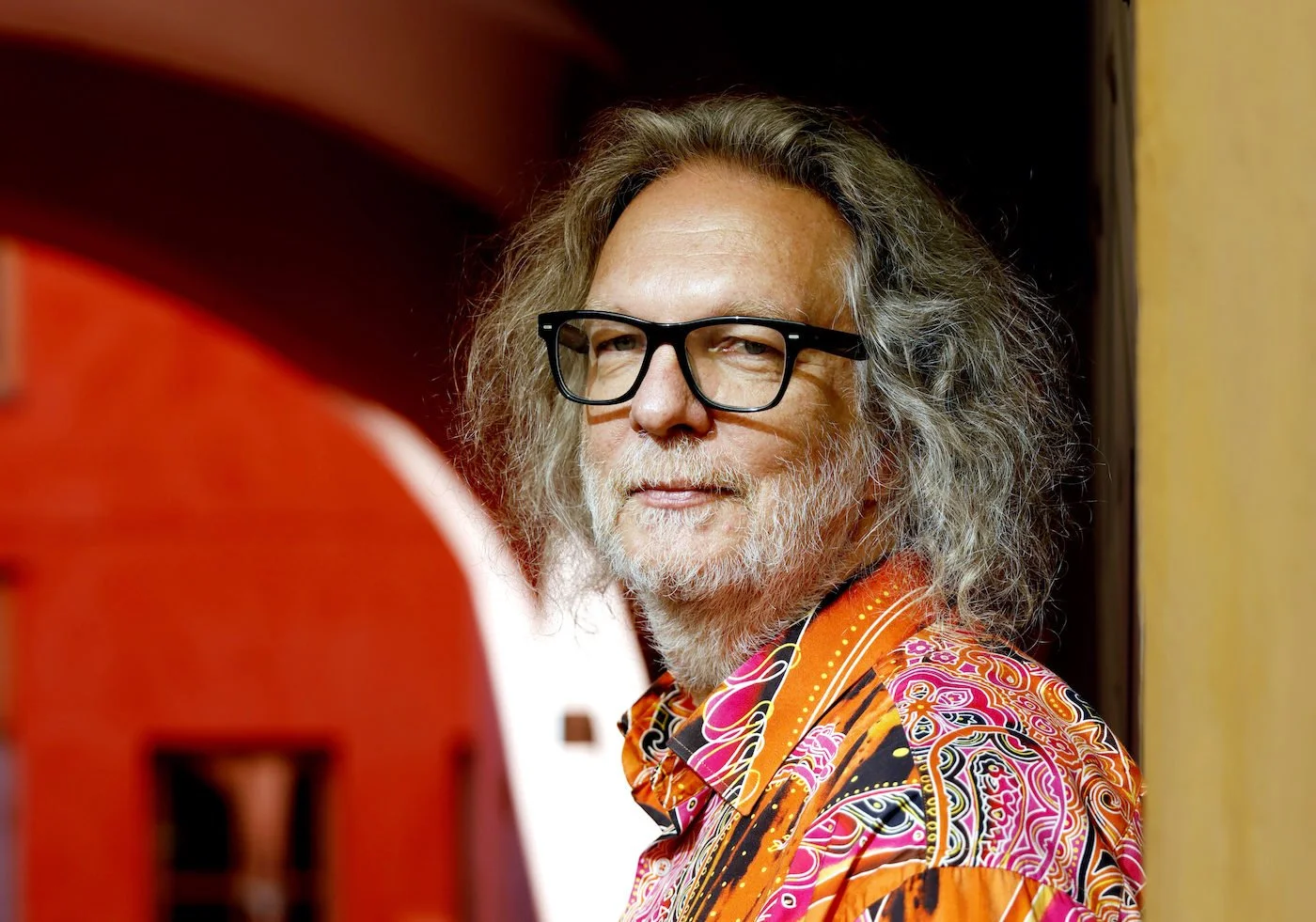
Erkki Sutinen, PhD, is a professor of computer science at the University of Turku and an ordained priest. His research interests include educational technology, computing education, ICT4D, co-design, and digital theology. He will shortly take-up post as the deputy vice chancellor at the University of Iringa.
Co-presenting: Theology and Computer Science
As research and study within the field of digital theology continues to gain momentum, much has been written and published on the definition and nature of the field and on how emerging research might progress the study and practice of religion in technology-empowered and innovative new ways. Much of that extant research has been published from a theology perspective. This chapter contributes to that ongoing discourse by considering digital theology from a computer science perspective. It discusses key research at the intersection of the fields of computer science and theology, while paying particular attention to the possibilities created by computer science approaches to software design, with a focus on co-design approaches to software development.
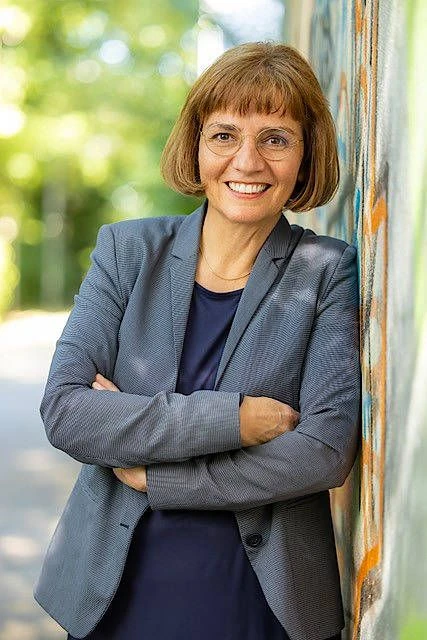
Steve Taylor, PhD, is a public scholar working as the director of AngelWings Ltd.
Presenting: Mission in Digital Cultures
The emergence of digital cultures presents new opportunities and significant challenges for Christian mission. This chapter outlines mission in digital cultures, using categories of streaming, virtual reality, apps, artificial intelligence, gaming, activism, and social media. These examples illustrate mission opportunities and raise critical questions regarding mission in digital cultures. Two theologies of mission are considered: co-mission and Divine presence. The work of thinkers including David Bosch, Teresa Okure, Pope Francis, and Marshall McLuhan provides resources that inform and challenge the embodying of mission in digital cultures. A recurring theme is a need to value and empower a mundane co-mission, seeing every Christian who participates in digital cultures as sharing God’s work in the digital world.

J. Jeanine Thweatt is the Classical and Liberal Education Core Advisor at Flagler College in St. Augustine, Florida, USA, and a part-time instructor in the Core and Philosophy and Religion programmes. She is the author of Cyborg Selves: A Theological Anthropology of the Posthuman (Routledge, 2012).
Presenting: Transhumanism and Critical Posthumanism
Christian theological responses to technology, and to the possibilities that technological innovations represent, have often taken the form of responses to transhumanism. At the same time, “critical posthumanism,” focused on the figure of the feminist cyborg, intersects with theological responses to transhumanism. This chapter maps the evolution of this three-cornered conversation, tracing the increasing differentiation of theological responses to these two forms of posthuman discourse. While it is crucial not to conflate transhumanism and critical posthumanism, interdisciplinary dialogue with both movements simultaneously offers theologians opportunity for constructive theological projects, especially within the loci of theological anthropology and eschatology, and for practical theological projects that connect systematic concerns with concrete bioethical questions.
Frederike van Oorschot, PhD, is the head of the department “Religion, Law and Culture” at the Interdisciplinary Research Institute FEST Heidelberg. Her research focuses on public theology, digital theology, and theological hermeneutics.
Co-presenting: Public Theology and Digitality
The chapter explores the intersections between public theology and digital theology. It explains that both disciplines are concerned with the public dimension of religion and the impact of digital transformations on society, the church, and academic theology. Public Theology, on the one hand, has formed a broad and diverse field of discourse since the 1980s that deals with the political and social dimension of religion. Digital theology, on the other hand, examines the role of religion in digital public spheres and the impact of digital technologies on religious practices and theology, encompassing instrumental, hermeneutic, and social understandings of media. Based on this understanding, the chapter develops a matrix of digital theology that combines different understandings of media (instrumental, hermeneutic, societal) and the tasks of theology (society, church, academic discipline). The chapter suggests an understanding of critical public digital theology to enable critical reflection on digital transformations and their impact on participation and power structures. It sketches out practical applications focusing on the digital transformation of the public sphere, the role of the church in digital spaces, and changes in academic theology through digital technologies. It concludes by emphasizing that a public digital theology should combine both analytical and practical reflections in order to promote a participatory, contextual, and discursive theology.
Susanne Wigorts Yngvesson is a professor in ethics at University College Stockholm. She teaches and does research on surveillance, artificial intelligence, moral dimensions of human-machine interaction, and Christian theology.
Presenting: Theologies of Surveillance
This chapter contends that Christian theologies of various historical periods offer considerable scope for critique of twenty-first century ideologies of surveillance that too-readily assume technical rationality and powers of watching over, monitoring, and categorizing people. Such ideologies (not limited to the visual senses), it is proposed, neglect core considerations of human relationality. An account is given of the reflected-upon practices of Christian communities living in the light of their belief in the gaze of God the All-Seeing, epitomized in Psalm 139. Attention is paid to discussion of the boundaries over which theologians argue others ought not gaze; in other words, theologies of privacy (drawing upon Luther, Calvin, Roman Catholic Social Teaching, and other Christian traditions). Consideration is given as to how theologies offer critiques of surveillance ideologies, particularly injustices and involuntary social-political vulnerabilities. Also, attention is given to surveillance within Christian communities and theology. It is concluded that Christian theology and ideas about surveillance are intertwined with each other, historically, politically, and philosophically. Such a view renders surveillance systems more understandable, for these have less to do with particular technologies than with social currents and human interactions. It is further argued that people’s spiritual beliefs and practices are shaped by surveillance, as well as being a critical tool against the same, outside and inside those beliefs and practices.
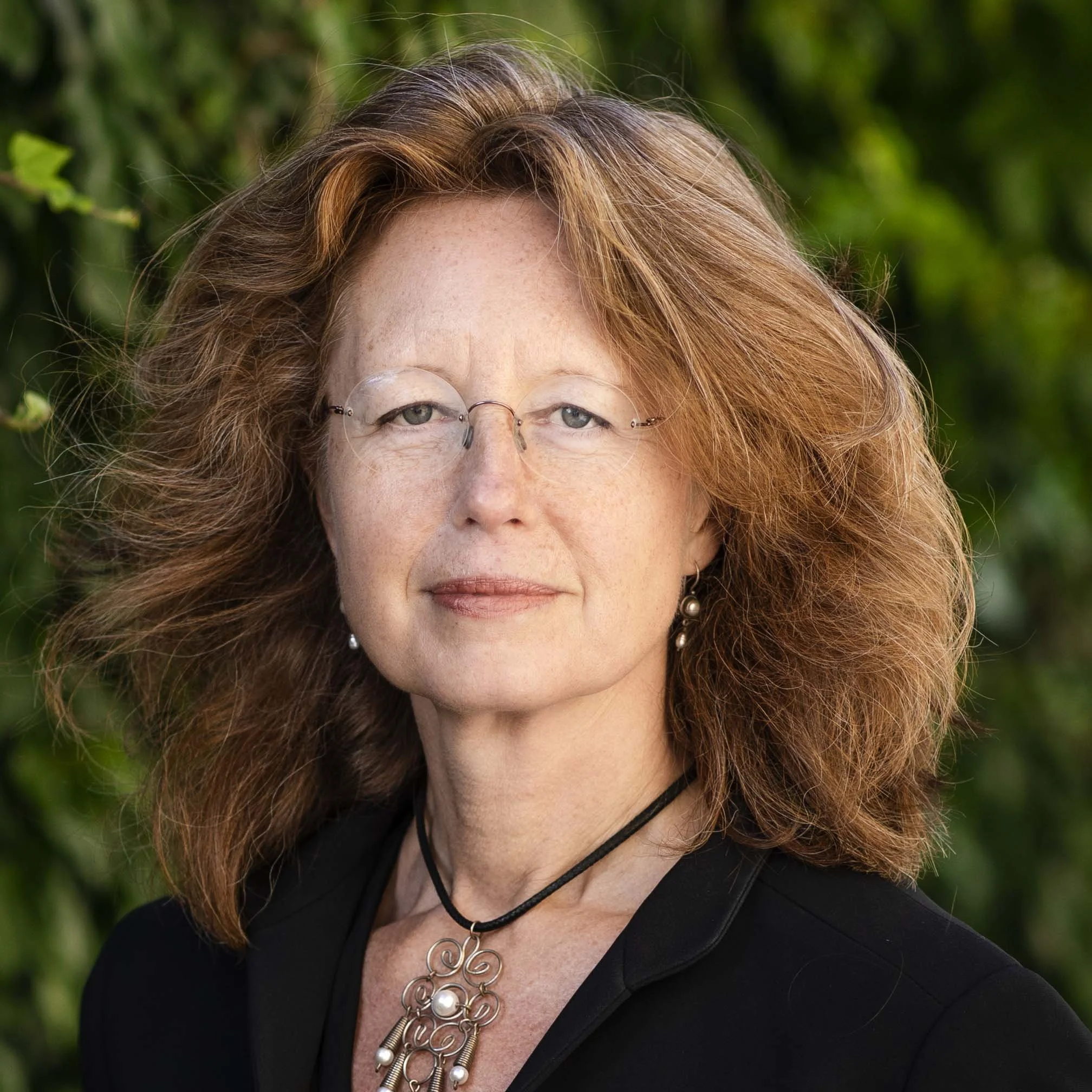
Daniella Zsupan-Jerome, PhD, is an assistant professor of pastoral theology at Saint John’s University School of Theology and Seminary in Collegeville, Minnesota, USA.
Presenting: Online Pastoral Care
This chapter explores the intersection of digital culture and pastoral care. After reviewing some traditional elements of pastoral ministry and care, this chapter traces how the practices of pastoral care have acknowledged and explored the means of digital technology. The chapter places special emphasis on the impact of the COVID-19 pandemic on pastoral care, noting not only limitations but also genuinely new possibilities emerging because of the pandemic, or in parallel with its impact. The chapter also acknowledges overall digital trends such as individualization of care, artificial intelligence, and gamification, as these impact pastoral presence, ministry,and care. The chapter concludes with suggesting ongoing considerations for pastoral care in the context of digital culture, being especially attentive to formational needs. These ongoing considerations include integrating pastoral communication into ministerial practice, awareness of questions around embodiment, fostering attentiveness and contemplative practices, discerning the role of interruptions, and maintaining a sense of community as integral to pastoral care.

Panelists
Katherine Schmidt is Associate Professor and Chair of the Theology and Religious Studies Department. Her research focuses on the relationship of theology and culture, specifically digital culture and technology.
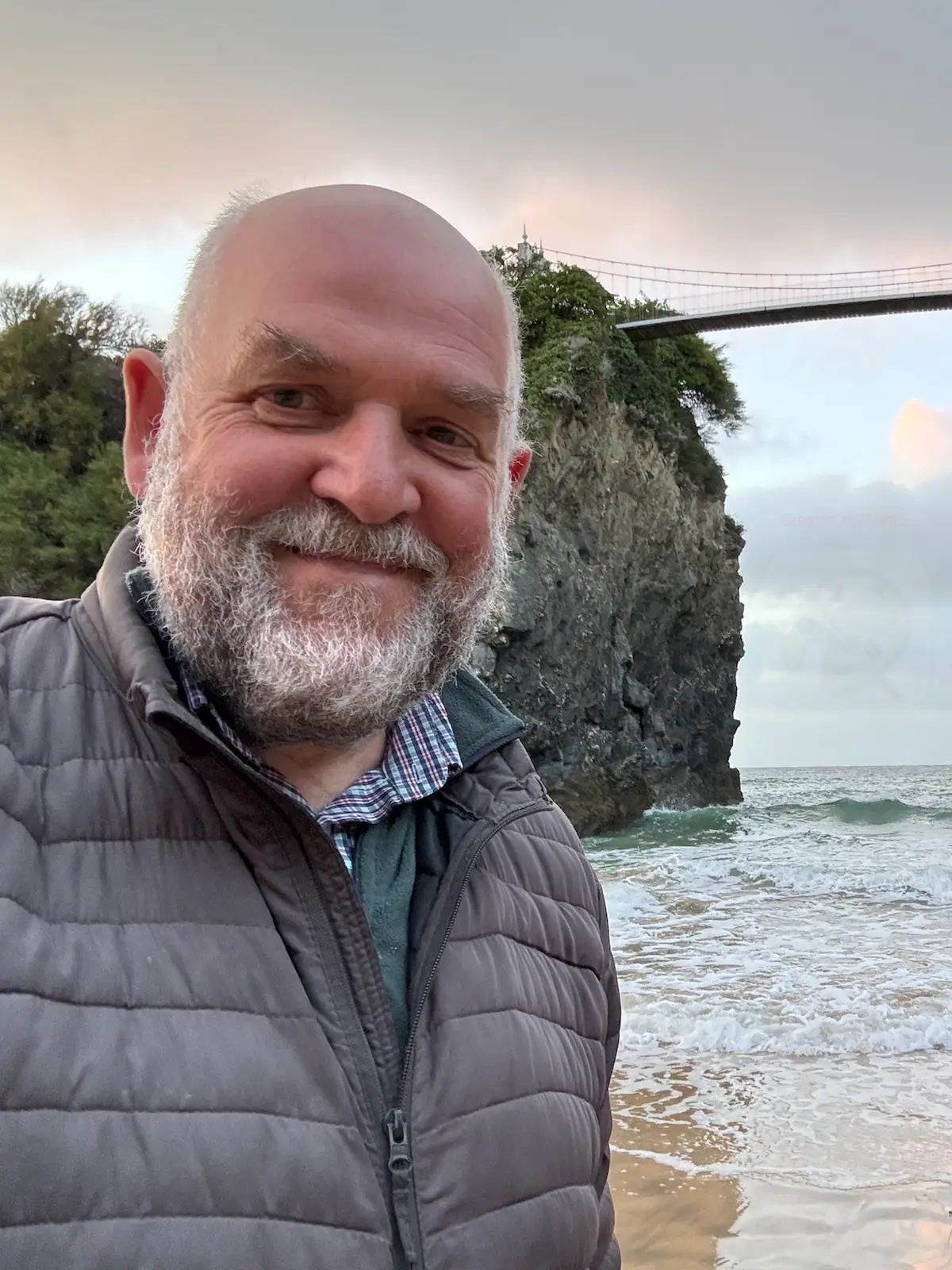
Peter Phillips is a Lecturer in Digital Theology, Mission and Practice at Cliff College and a Methodist minister. His research is focused both on issues around digital engagement with the Bible, the development of digital theology, technological developments during the COVID-19 pandemic, and what it means to be human in a digital age.

Heidi A. Campbell is a professor of communication and a Presidential Impact Fellow at Texas A&M University. She is also the director of the Network for New Media, Religion, and Digital Culture Studies and the author of numerous articles and books, including When Religion Meets New Media (2010), Digital Religion (2013, 2021), and Digital Creatives and The Rethinking of Religious Authority (2020).
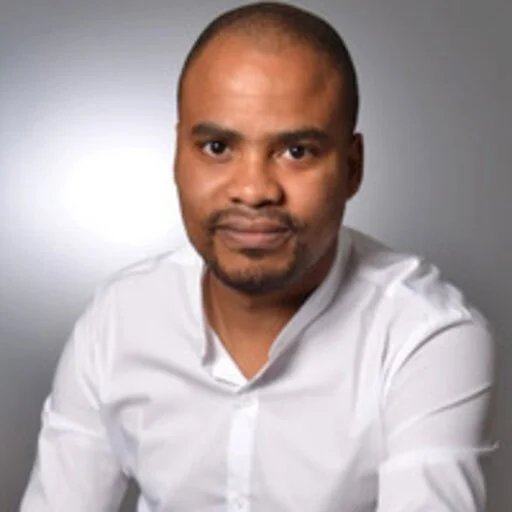
Katleho Mokoena is currently an Adjunct Academic in the Department of Philosophy, Practical and Systematic Theology at the University of South Africa.